


Offering more than just a guide – we provide a comprehensive platform committed to offering valuable resources, practical advice, and compassionate support for families navigating the journey of aging together. Our newsletter covers a wide range of topics, including elder health tips, caregiving strategies, medical assistance resources, and lifestyle advice, tailored to meet the diverse needs of every family member.
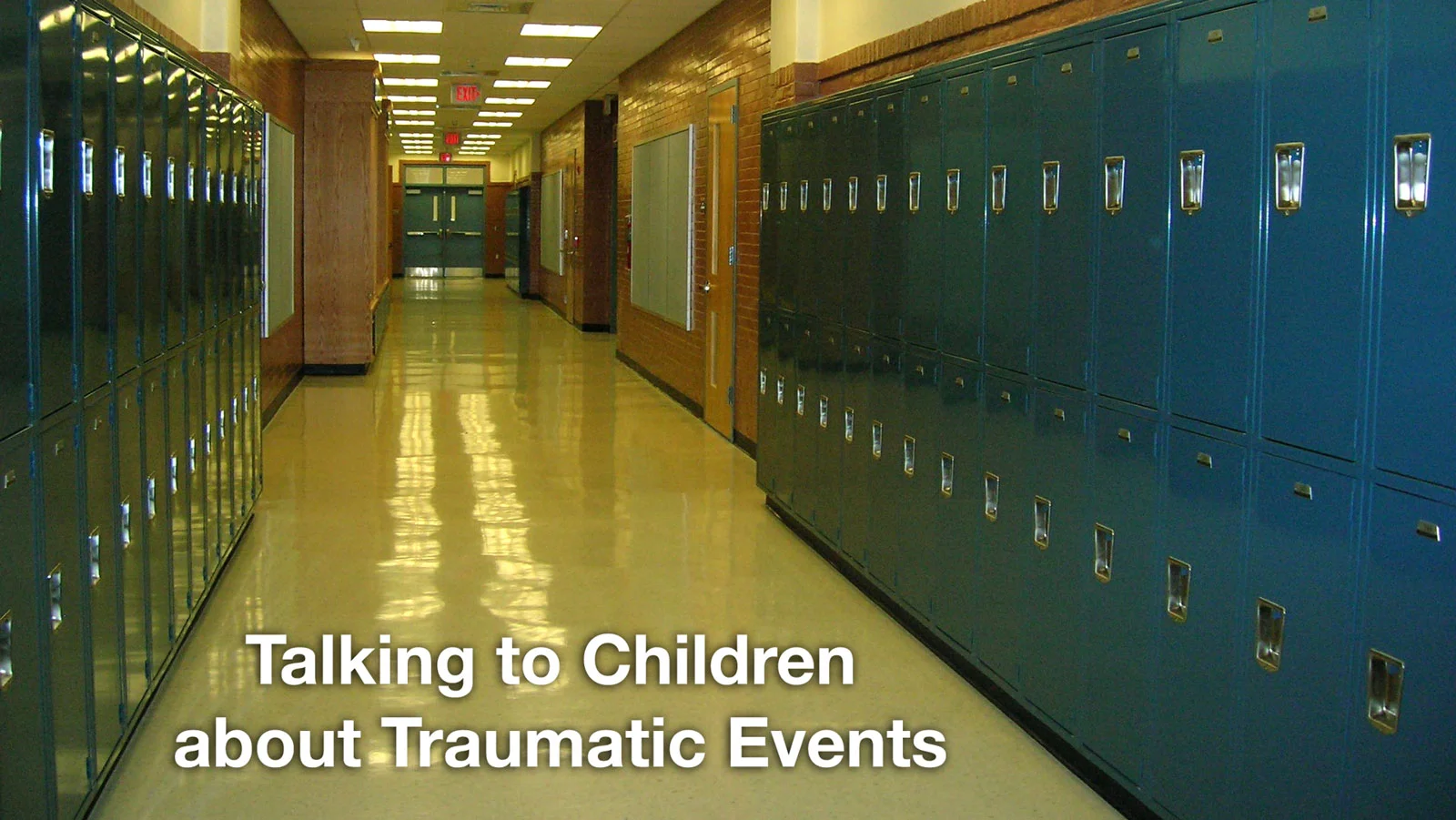
Talking to Children about Traumatic Events
School tragedies such and gun violence affect us all. Here are some helpful resources to help in dealing with the trauma.

Prescription Drug Disposal Box Program
The Lake County Sheriff's Office, Walgreens and several local police departments have prescription drug disposal boxes to take back your old, outdated or unused prescription drugs.
Find out what items are accepted and a disposal location near you.

When Clutter Becomes Hoarding
The Mayo Clinic defines hoarding as "... the excessive collection of items, along with the inability to discard them" and states that "compulsive hoarding and compulsive hoarding syndrome, may be a symptom of obsessive-compulsive disorder (OCD)." We are not talking everyday household mess and clutter here, or collections of specific objects that may, in the opinion of other family members, be taking up too much space in the house. True hoarding can be a sign of mental and/or physical illness that manifests itself in the obsessive accumulation of things—items that can range from mounds of clothing, unopened shopping bags, stacks of newspapers, magazines and mail, to piles of trash and rotting garbage that are dangerous to the health of an individual or a family.

Safety Tips for Drivers as School Reopens
As the new school year has begun, it is time to adapt to a new driving routine. With school buses and school zones, the morning commute will take longer and drivers will need to take extra caution with school children crossing and standing by the road. Thanks to their construction, school buses are the safest form of transportation in the US and, once children have boarded the school bus, their chances of surviving a collision are 8 times greater than in a passenger vehicle. The danger for school children lies in the period before boarding and after exiting the school bus.